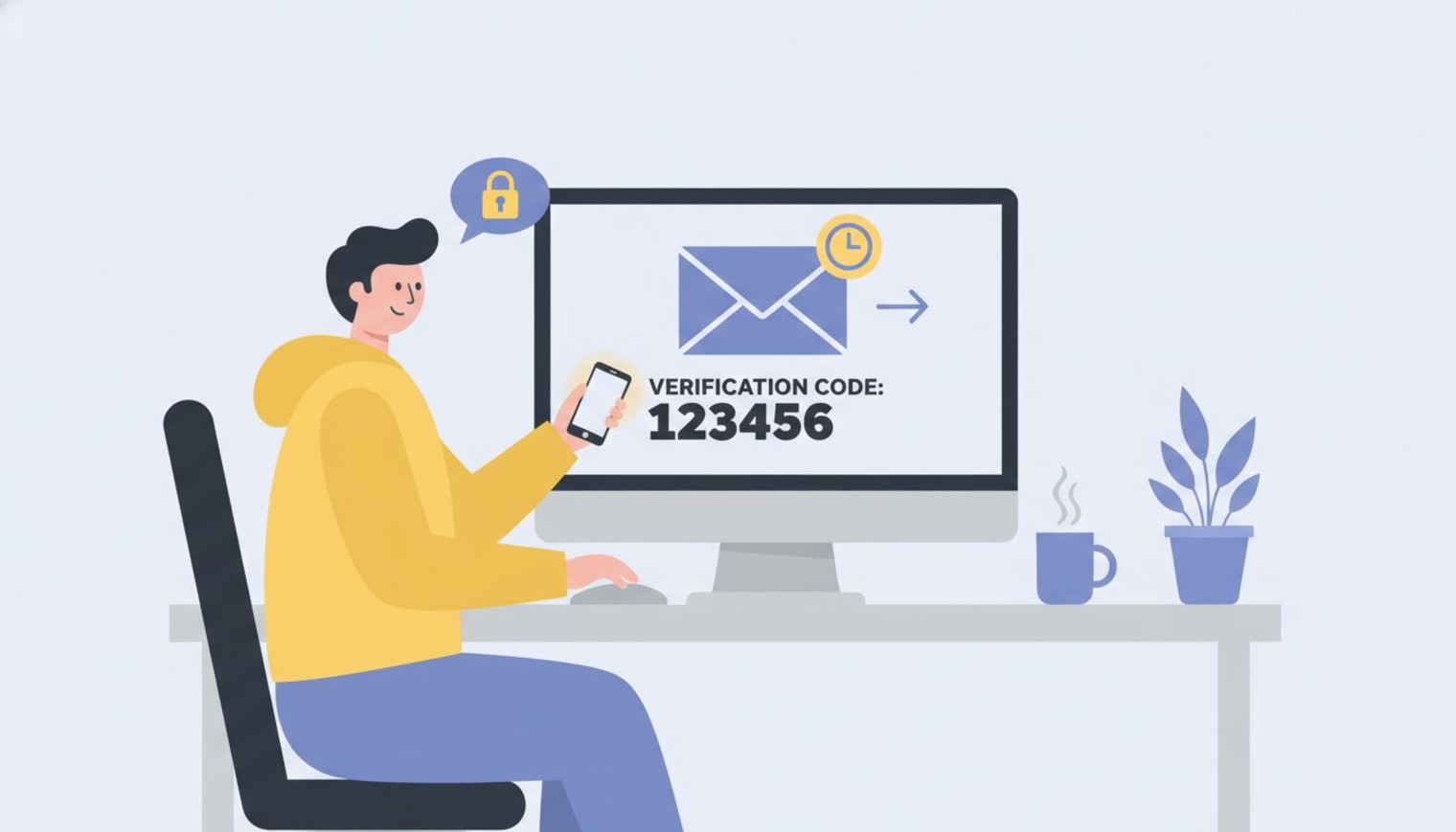

I started using temporary inboxes for a very simple reason: I got tired of turning my main email into a trash bin every time I tried a new tool.
For me, a temporary email is like a burn phone for online signups. You use it for a short task, finish what you need, and move on without carrying long-term inbox noise.
What a temporary email is good for
It works best for low-risk, short-term tasks where you only need one verification email:
- Trying a product trial
- Testing signup and verification flows
- Getting one-off downloads
- Public form submissions that often attract spam later
It is not for important accounts like banking, payroll, legal documents, or anything you need to recover months later.
What I check before trusting a service
I do not overthink this. I just run a quick real-world test:
- Create an inbox and test if setup is instant.
- Sign up to 2–3 common platforms and see if codes arrive quickly.
- Check whether the inbox clearly shows expiration behavior.
- Try switching addresses to confirm it is easy when one gets blocked.
- Make sure basic actions are simple: copy, refresh, delete.
If those basics work, the service is usually good enough for daily use.
A little tech context, in plain language
You do not need to be an engineer, but it helps to know the basics: incoming emails are routed to temporary inboxes, and messages are kept for a limited time window. That short retention window is the key idea.
Some services also rotate domains to improve delivery across stricter signup systems. From a user perspective, you only need to care about one thing: do your verification emails actually arrive when you need them?
How I use it day to day
My routine is simple: one task, one temporary inbox. Finish verification, then stop using that address.
If your goal is quick testing with less exposure, TempMail.ing can fit this workflow: fast inbox creation and no forced account signup.
Common misconceptions
Misconception 1: Temporary email is for abuse.
It is mainly a privacy and testing tool when used within site rules.
Misconception 2: You can always recover expired inboxes.
Usually no. Expiration is the whole point of isolation.
Misconception 3: Every website accepts temporary addresses.
Also no. Acceptance depends on each platform’s risk policy.
Final takeaway
Temporary email is not a magic trick. It is just a practical habit that keeps your main inbox clean while you explore new tools and run tests.
If you are improving account hygiene overall, pair this with stronger passwords using a Password Generator. For related reads, see Who Uses Disposable Email and Why It Matters and Optimizing Campaign Deliverability.